
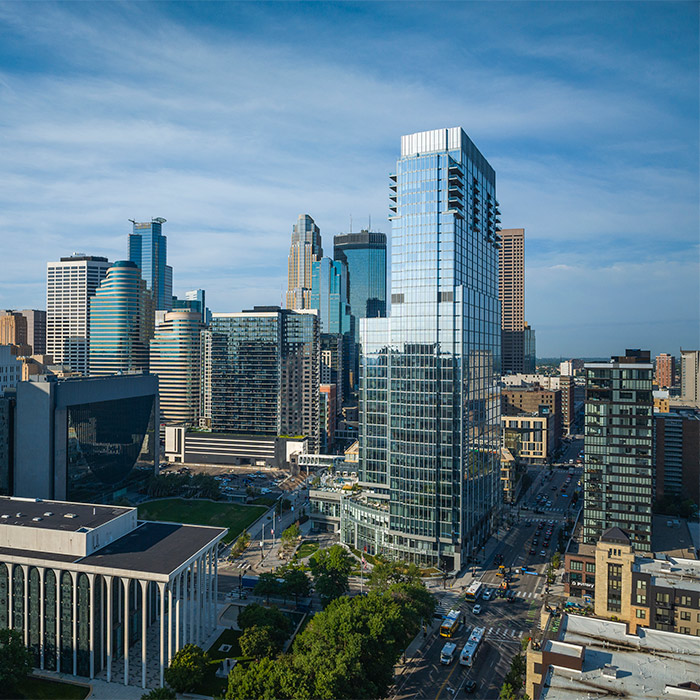


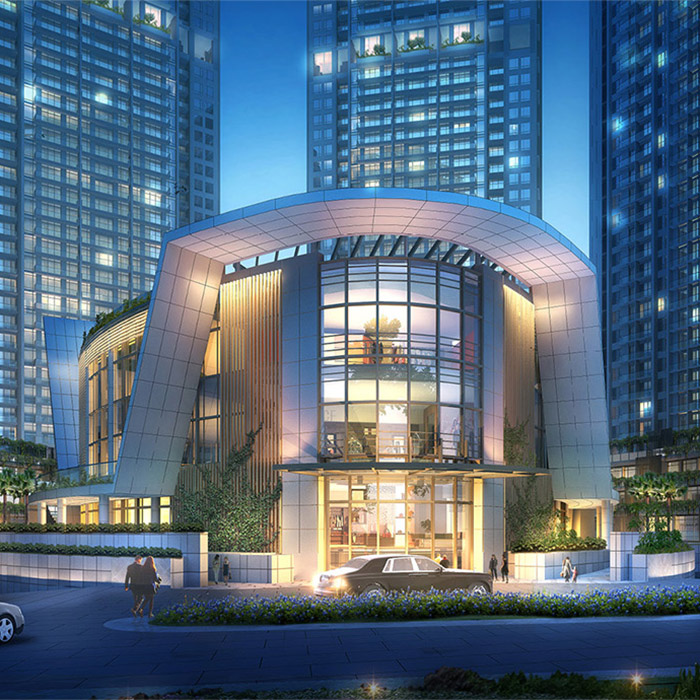
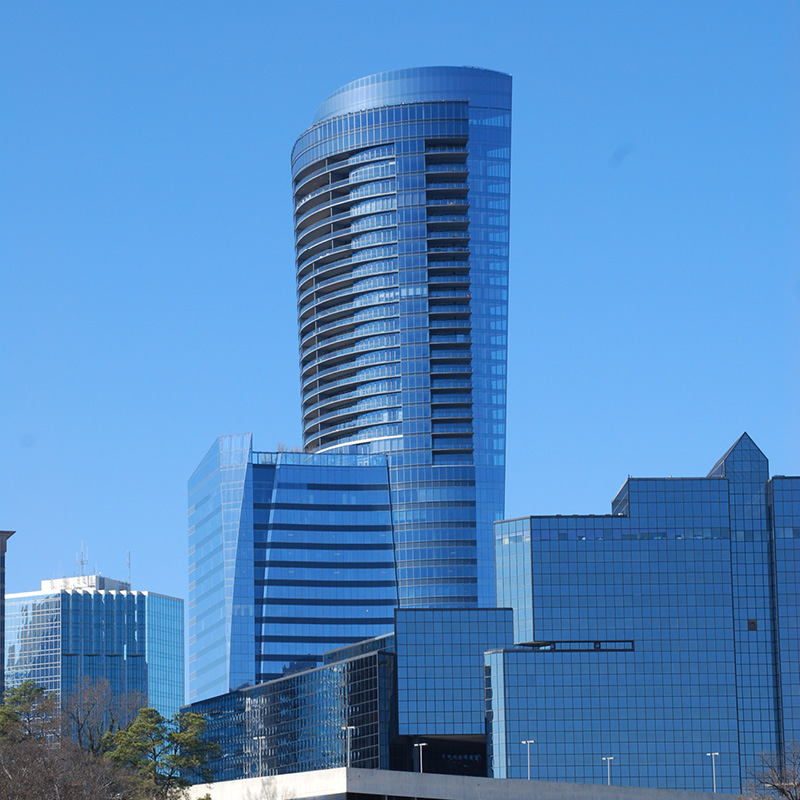
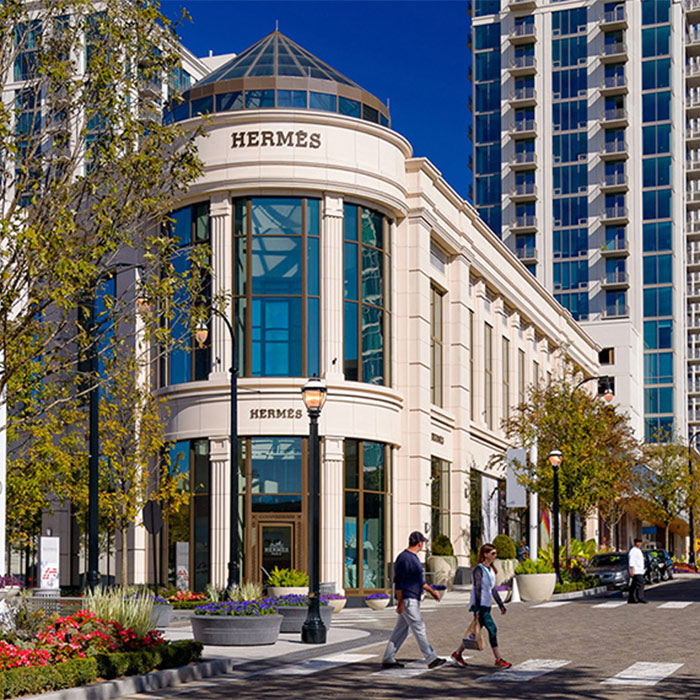
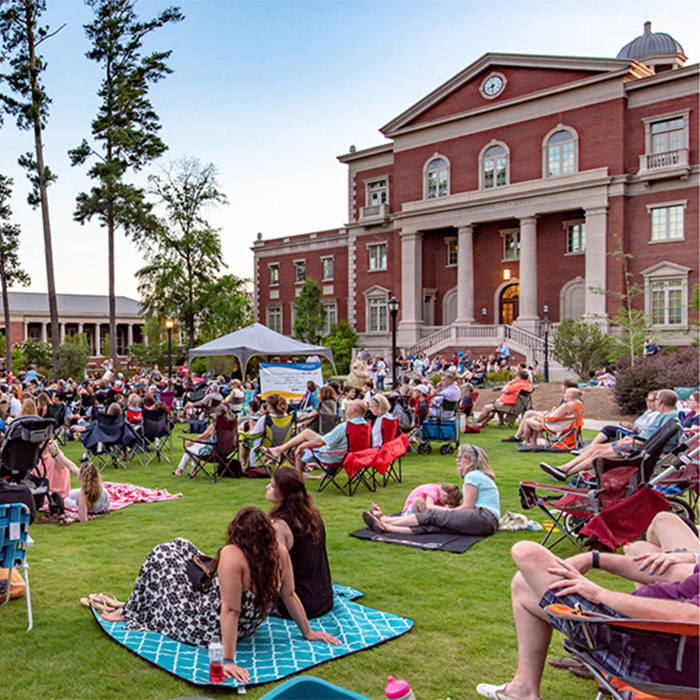
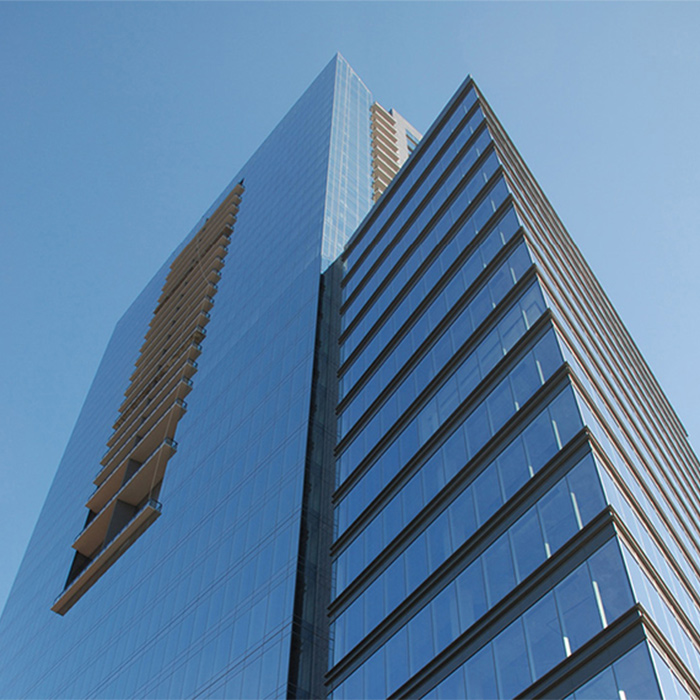
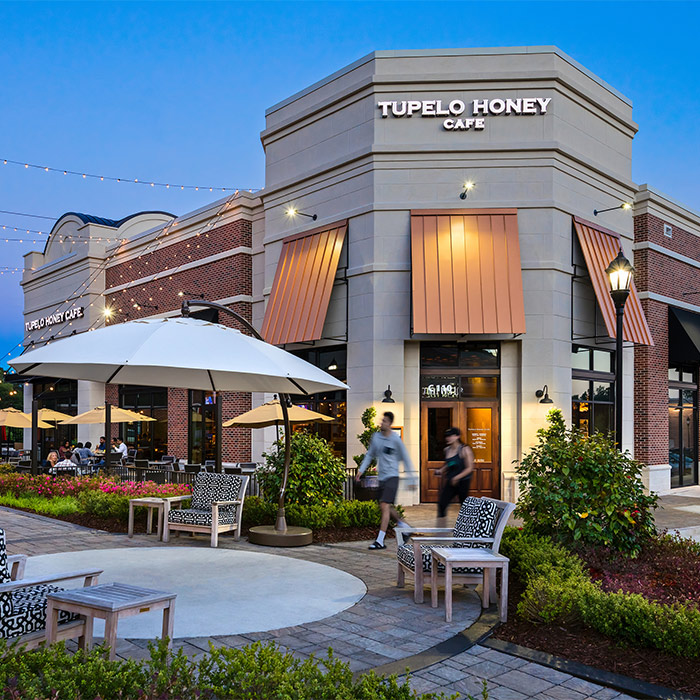
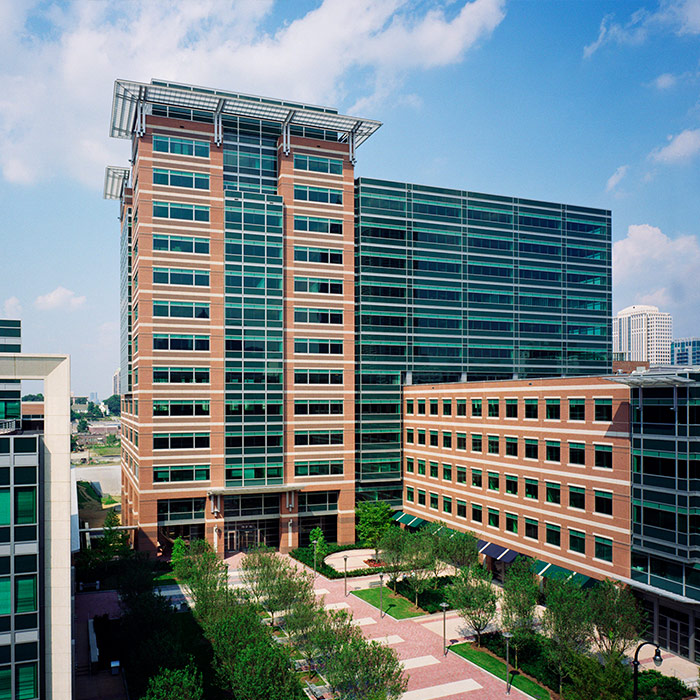
Mixed-use architecture has become an essential component of urban redevelopment and the creation of new suburban city centers. These dynamic environments bring together residential, office, hospitality, and retail uses to create active places that serve both residents and the public.
Smallwood’s mixed use architecture work focuses on creating developments that deliver a true sense of place, projects that contribute to the success of surrounding communities and support long-term vitality.
斯莫尔伍德了解垂直叠加建筑的独特复杂性,并在整个设计过程中运用这些经验为我们的项目带来了价值。最终,该项目成为世界级的标志性开发项目。.
For a mixed-use project to succeed, each individual use within the development must also perform successfully. Our extensive experience designing office, multifamily, hospitality, hotel, and retail buildings positions us well to design mixed-use environments composed of buildings that work independently and collectively.
This depth of experience reflects the role of mixed use architects working across complex, multi-program developments.
The primary design challenge in mixed-use architecture, particularly in dense urban settings, is ensuring that each component performs as intended without compromising the others. Our approach addresses this balance through careful planning and coordination.
As a mixed-use architecture firm, Smallwood focuses on:
This integrated process is how Smallwood brings organization to complex mixed-use projects by resolving density, circulation, and program relationships so each component strengthens the whole.
Smallwood architects understand how people move through retail spaces and where they naturally gather to connect and engage. Working closely with clients, the firm designs mixed-use environments where foot traffic and storefront visibility support both commercial performance and the specific needs of each business.